November 13, 2026
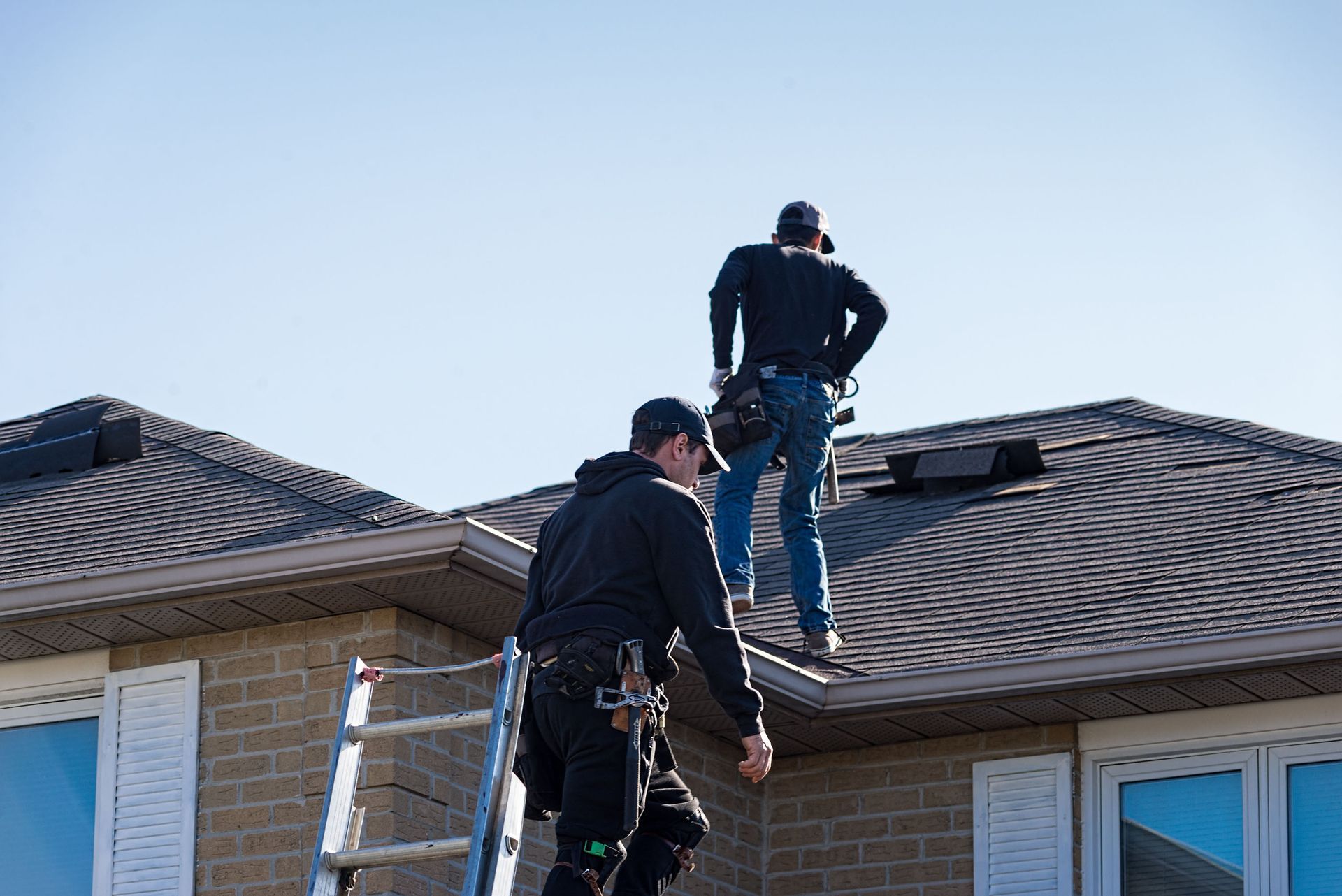
A roof protects the spaces where people live, rest, and gather, but its condition can change gradually. A small leak, loose shingles, or recurring repair may seem manageable until several problems develop together. Knowing when replacement deserves consideration helps homeowners avoid unnecessary damage and plan ahead. Experienced roofers can evaluate the entire roofing system rather than judging its condition from one visible problem.
Replacement is not automatically necessary whenever a roof shows wear. Age, material, installation quality, weather exposure, and maintenance history all affect the decision. Homeowners benefit from understanding the warning signs that suggest repairs may no longer provide a lasting solution. The following five conditions explain when a professional assessment should include the possibility of a new roof.
Recognizing Widespread Shingle Deterioration
Noticing Curling Shingle Edges
Shingles that curl upward or bend along their edges may no longer lie securely against the roof. This change can develop as materials age or experience prolonged weather exposure. Isolated curling does not always require replacement, but widespread distortion suggests the covering may be approaching the end of its useful life.
Noticing Missing Shingle Sections
Strong winds sometimes dislodge individual shingles, leaving underlying materials exposed. A small affected area may be repairable when surrounding shingles remain sound. Repeated losses across different sections, however, can indicate that the covering is losing its ability to resist weather.
Noticing Granule Accumulation
Asphalt shingles contain protective granules that help shield the underlying material from sunlight. Some granule loss occurs naturally, especially early in a roof's life. Heavy accumulation in gutters combined with visibly worn shingles may indicate advanced deterioration.
Noticing Uneven Surface Wear
Roof slopes do not always age at the same rate. Areas receiving intense sunlight or frequent wind may deteriorate sooner than sheltered sections. Significant differences in appearance can signal uneven material performance. A comprehensive inspection helps establish whether targeted repairs remain reasonable or whether broader replacement would address the underlying condition more effectively.
Recognizing Repeated Moisture Problems
Finding Recurring Ceiling Stains
Discolored ceilings and walls can indicate moisture entering through the roof, although plumbing and condensation may produce similar marks. Stains that return after repairs deserve careful investigation. Their location does not always identify the entry point because water can travel along framing before becoming visible indoors.
Finding Damp Attic Materials
Wet insulation, stained decking, and persistent dampness in an attic may indicate water intrusion or ventilation problems. These conditions can reduce insulation performance and affect wood components. Roofers conducting an assessment should consider the source of moisture rather than focusing only on the most visible damage.
Finding Multiple Leak Locations
One localized leak may have a straightforward cause, such as damaged flashing. Several leaks appearing in different areas can suggest a broader decline in roofing performance. Their frequency, severity, and repair history all matter.
Finding Persistent Interior Odors
A musty smell near an attic or upper-floor ceiling can accompany prolonged moisture exposure. Odor alone cannot establish that a roof is leaking, but it warrants investigation when paired with staining or damp materials. Homeowners should also consider whether concealed damage has developed.
Recognizing Structural and Flashing Concerns
Observing Sagging Roof Areas
A roofline that appears uneven or visibly sagging requires prompt professional attention. Possible causes include structural deterioration, excessive loading, or problems unrelated to the outer roofing material. Because these conditions can affect safety, they should not be dismissed as cosmetic.
Observing Deteriorated Flashing
Flashing helps direct water away from chimneys, walls, vents, and roof intersections. Corrosion, separation, or poor installation can create pathways for leaks. Damaged flashing alone does not necessarily justify replacing the entire roof. However, widespread flashing problems alongside aging materials may influence the recommendation. Professional roofers examine these vulnerable connections as part of a complete evaluation.
Observing Damaged Roof Decking
The decking beneath roofing materials provides a supporting surface for the covering. Prolonged water exposure can weaken sections and complicate ordinary repairs. Its condition may not be fully visible until roofing materials are removed.
Observing Repeated Storm Damage
Hail, falling branches, and strong winds can damage shingles, flashing, and other components. A single event does not always mean a roof needs replacement. However, repeated storms may leave overlapping problems that reduce confidence in localized repairs. A documented inspection helps distinguish new damage from ordinary aging and supports informed conversations about possible insurance coverage.
Recognizing Age-Related Performance Decline
Reviewing Roofing Material Age
Different roof coverings have different expected service lives, and actual performance depends on climate, installation, and maintenance. Knowing when a roof was installed provides useful context, but age alone cannot determine its condition. Homeowners and roofers should compare the material's expected performance with inspection findings before deciding whether replacement is justified.
Reviewing Previous Repair Frequency
Occasional repairs are a normal part of homeownership. When service calls become frequent or the same problem returns, the cumulative disruption deserves consideration. Experienced roofers look for patterns rather than treating every repair as an isolated incident.
Reviewing Industry Activity
According to This Old House, citing IBISWorld estimates, the United States roofing contractors industry was projected to generate $76.4 billion in revenue by the end of 2025. That figure reflects industry scale, not the condition of any particular home. Replacement decisions still require property-specific evidence, including material wear, leak history, and professional findings.
Reviewing Past Installation Quality
A roof's lifespan can be affected by installation details, including ventilation, fastening, and flashing integration. Problems resulting from poor workmanship may appear before the covering reaches its expected age. Experienced roofers can assess visible signs of installation-related defects and explain whether correction is feasible without replacing large sections of the roofing system.
Recognizing When Repairs Lose Practical Value
Comparing Repair Scope
A limited repair may make sense when surrounding materials remain in good condition. If damage extends across several slopes or affects multiple components, the required work becomes more substantial. Homeowners should ask for a clear explanation of what each proposed option addresses. Skilled roofers can outline why replacement may offer a more complete response to widespread deterioration.
Comparing Future Disruption
Repeated leaks can interrupt daily routines and expose interior finishes or belongings to damage. Even when each repair seems manageable, recurring appointments create uncertainty. Discussing the likely disruption with roofers and evaluating the ongoing impact of maintenance helps homeowners consider more than the immediate work involved.
Comparing Warranty Limitations
Existing warranties may cover certain materials or workmanship under specific conditions. Coverage varies, and age or prior alterations can affect eligibility. Replacement proposals may include different manufacturer and labor warranty terms.
Comparing Long-Term Priorities
Homeowners planning to remain in a property for years may weigh durability, maintenance demands, and predictable performance differently from those preparing to sell. Neither situation automatically requires replacement. The right decision depends on roof condition and personal circumstances.
Roof replacement becomes worth considering when widespread wear, recurring moisture, structural concerns, age-related decline, or repeated repairs suggest the existing system is no longer performing reliably. No single warning sign settles the question. A thorough inspection can distinguish problems that need targeted attention from conditions that justify a larger investment.
If you are concerned about your roof's condition, contact C & G to arrange a professional assessment. Our roofers can review visible damage, discuss repair and replacement possibilities, and help you understand the findings before deciding how to protect your home.