April 10, 2026
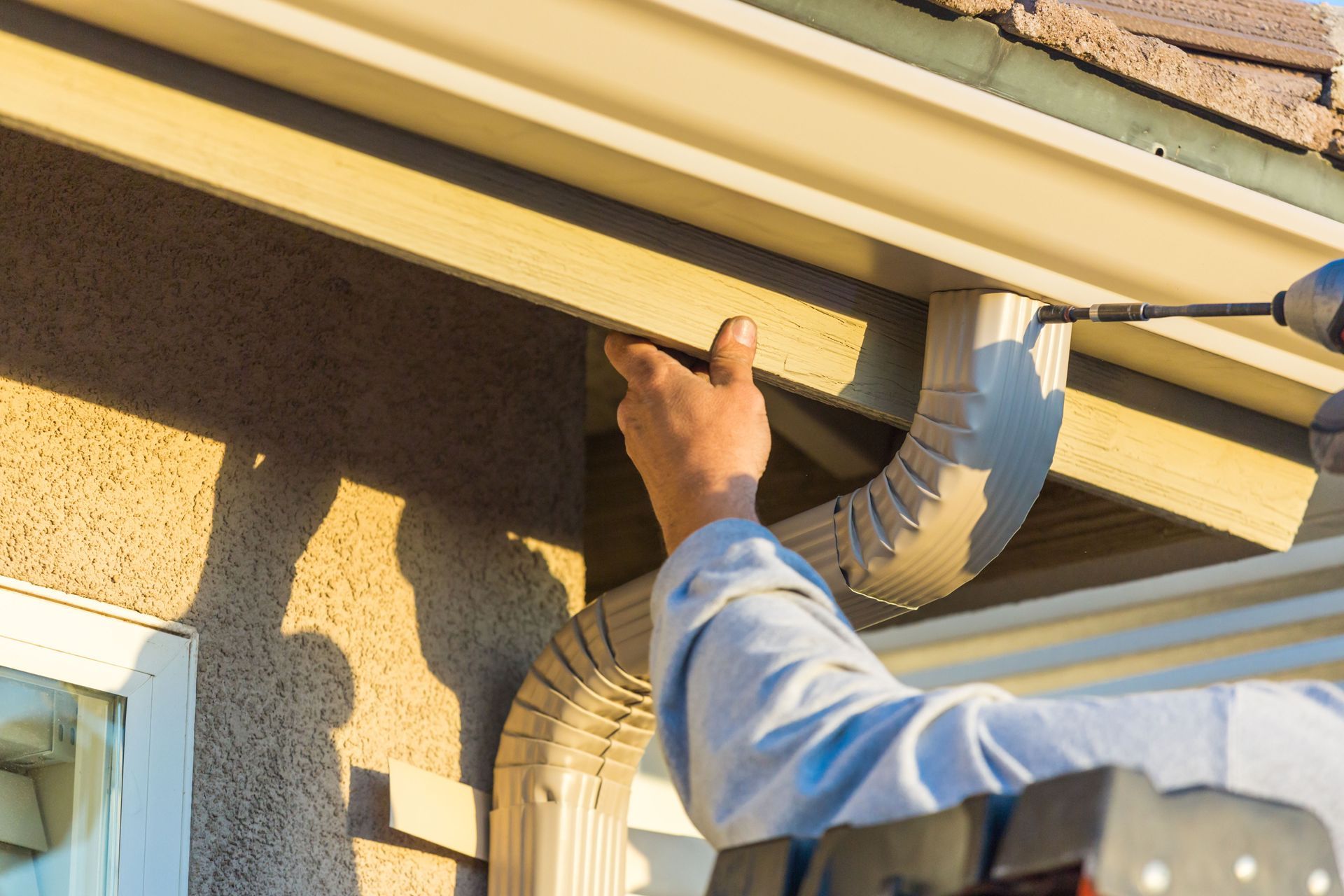
Proper gutter installation is a vital aspect of home maintenance that many homeowners often overlook. A well-installed gutter system protects your property from water damage, which can lead to costly repairs if not managed properly. Neglecting essential gutter facts like slope, material choice, and downspout placement can result in inefficient water drainage, compromised structural integrity, and increased maintenance needs. Homeowners should be aware of these crucial components to avoid common pitfalls and ensure their gutter systems function optimally. Here are five essential facts and insights to help homeowners make informed decisions about their gutter systems.
1. The Importance of Proper Slope
Why Slope Matters
The slope of your gutter is crucial because it directly impacts the efficiency of water drainage. A properly sloped gutter ensures that water flows smoothly towards the downspouts, preventing pooling, which can lead to leaks or overflow. Without the right slope, gutters may become clogged or damaged over time, leading to costly repairs. Homeowners should aim for a slope of at least 1/4 inch per 10 feet for optimal performance. Understanding the role of slope in gutter effectiveness underscores its importance in protecting your home against water damage.
Calculating the Right Slope
To calculate the right slope for your gutters, measure the length of your gutter run and apply the necessary slope measurement. For example, for a gutter run over 20 feet, a higher slope may be required to ensure efficient water flow. Using tools such as a level and a chalk line can help establish the needed slope with precision. It's also wise to consult a professional if unsure about the measurements, as an improper slope can lead to significant issues. According to This Old House, contractors measure roofs in squares, which determines how many shingles are necessary per 100 square feet and can indirectly influence gutter length and required slope to accommodate roof runoff.
Effects of Incorrect Slope
An incorrect gutter slope can have several adverse effects on your home. A gutter with too little slope can cause water to stagnate, increasing the risk of rust, corrosion, and leaks. Conversely, too much slope may cause water to escape too quickly, reducing the gutter's ability to handle heavy rainfall effectively. This improper water management can lead to soil erosion around the foundation and basement flooding over time. Additionally, an incorrect slope poses a maintenance burden, requiring frequent cleanings to manage stasis issues.
2. Which Is the Right Gutter Material
Popular Materials: Pros and Cons
Gutter materials significantly impact the durability and performance of the system. Common materials include aluminum, vinyl, steel, and copper, each offering unique pros and cons. Aluminum is lightweight and resistant to corrosion, but it can dent easily. Vinyl is affordable and easy to install, but it may crack in extreme weather conditions. Copper, though aesthetically pleasing and durable, is more expensive, requiring a higher upfront investment.
Comparing Cost Versus Durability
When selecting a gutter material, it's crucial to balance cost and durability. While vinyl is budget-friendly and easy to work with for DIY enthusiasts, it lacks the longevity of metals. On the other hand, steel and copper offer superior durability but come at a higher price point. Homeowners should consider local climate conditions, as materials need to withstand seasonal weather variations over time. A professional assessment can help to weigh these factors appropriately, ensuring longevity and cost-efficiency in the chosen material.
Environmental Considerations
Environmental impact is an important consideration when choosing gutter materials. Recyclable materials like aluminum are more eco-friendly than vinyl, which can create hazardous waste if not disposed of properly. Copper, while high in initial costs, is a sustainable choice due to its long lifespan and recyclability. Homeowners invested in sustainability should consider materials that minimize environmental harm during manufacture and installation. Opting for green gutter solutions can significantly reduce your home's ecological footprint.
3. The Importance of Gutter Size and Design
Sizing for Rainfall Intensity
Gutter size plays a critical role in matching rainfall intensity within your region. Areas prone to heavy rainfall require a larger gutter system to handle increased water volume. Standard gutter sizes range from 5 to 6 inches, with oversized varieties available for areas with high precipitation. Misjudging the appropriate size can compromise the system's efficiency, leading to overflow or frequent clogs. Correctly sizing your gutters ensures optimal water management, preventing water-related damage to your home.
Regional Considerations in Design
Regional factors also influence gutter design. Elements such as architectural style, local weather patterns, and foliage density should inform design choices. In regions with significant snowfall, consider sloped or heated gutters to prevent ice dams. For wooded areas, installing leaf guards can mitigate foliage accumulation, reducing the need for frequent cleaning. Tailoring gutter design to accommodate local conditions maximizes system performance and lifespan.
Matching Gutter Capacity to Roof Size
Gutter capacity must correspond to the roof size to manage water runoff effectively. Larger roofs require gutters with a greater capacity to capture and redirect rainwater efficiently. Ensuring the gutter system can handle the roof's square footage prevents overflow and potential damage. Implementing the correct capacity enhances the system's overall functionality and reduces maintenance. Correctly matched capacity supports an effective water management system, safeguarding your property.
4. What Sealing and Joining Techniques Work Best
Common Sealing Methods
The effectiveness of a gutter system highly depends on proper sealing and joining techniques. Common methods include using gutter sealants, which ensure watertight integrity. Silicone-based sealants are popular for their flexibility and waterproofing capabilities. Rubberized coatings can also enhance durability and prevent leaks in gutter joins. Selecting the right sealing technique depends on your gutter material and local climate conditions, considering potential thermal expansion and contraction.
Differences Between Seamed and Seamless
Seamed and seamless gutters present different challenges and advantages. Seamed gutters, typically assembled from shorter lengths, can lead to leaks if not sealed correctly at the joints. However, they are easier to transport and install in segments. Seamless gutters are custom-fit to your home, reducing potential leak points and providing a sleek appearance. Installation cost may be higher for seamless gutters, but the reduced maintenance and increased durability often justify the investment. Assess your gutter needs to determine the best option for your home structure.
Avoiding Common Leaking Issues
Leaking issues, common in improperly sealed gutters, should be addressed proactively. Regular inspections help identify small leaks before they expand into more significant problems. Reinforcing joints and resealing sections experiencing wear can minimize water exposure to vulnerable areas. Using quality sealants and scheduling routine maintenance can further prevent leaks, safeguarding your home from potential water damage. Prioritizing effective sealing techniques extends gutter lifespan and efficiency.
5. How Downspout Placement Must Be Addressed Effectively
Importance of Proper Downspout Placement
Proper downspout placement is essential for efficient gutter system functionality. Correct placement ensures rainwater is directed away from the foundation, preventing excess moisture buildup. Downspouts should ideally extend 6-8 feet from the home to control water flow effectively. Misplaced downspouts can expose the foundation to water damage, soil shifting, or erosion. Effective downspout placement is crucial for maintaining structural integrity and reducing basement flooding risk.
Avoiding Common Downspout Mistakes
Common downspout mistakes can impair gutter performance and threaten structural safety. Placing downspouts too close together or near vulnerable areas, like walkways or foundations, can trap moisture. Failing to install splash blocks or extensions can lead to soil erosion and foundation damage. Strategically positioning downspouts based on roof pitch and landscape contours enhances water dispersal. Rectifying these common errors optimizes water management and protects property value.
Understanding the essential facts surrounding gutter installation is paramount for homeowners aiming to protect their investments and avoid costly repairs. Ensuring proper slope, selecting suitable materials, and optimizing downspout placement are among the critical factors that impact a gutter system's efficiency and durability. Regular maintenance and recognizing early signs of wear are equally essential in prolonging the lifespan of the gutters. By addressing these key facts, homeowners can ensure a durable, functional, and hassle-free gutter system, effectively safeguarding their property from potential water damage. We're here to help, so reach out to C & G today to get your gutters installed properly.